
Posted on April 23, 2026
Glenda Webb | Business & Lifestyle Lab
Get local business support | Increase the revenue and expand your business in Florida
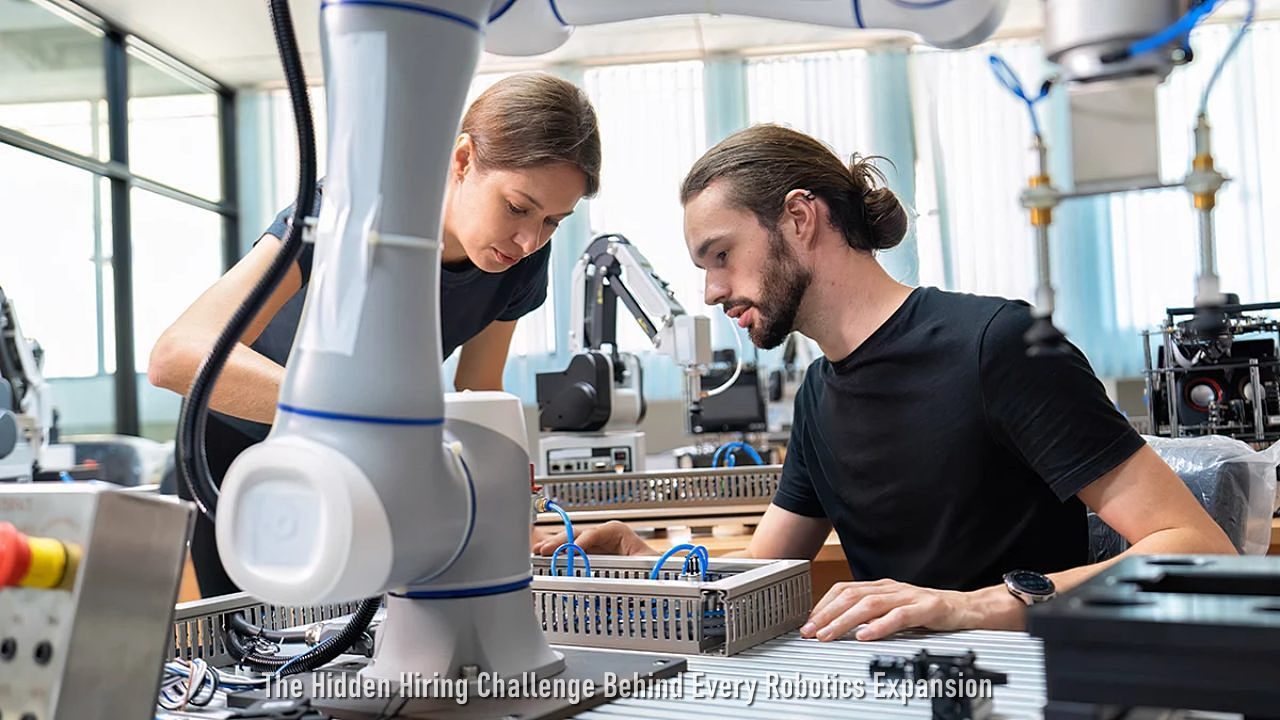
Most business owners hear “robotics” and think about machines. The real bottleneck, though, is people. Companies that invest in automation and robotic systems often discover that finding qualified engineers to design, build, and maintain those systems is a far bigger problem than selecting the hardware itself.
This hiring gap hits especially hard in mid-sized firms. Large corporations can throw money at recruitment or train people internally over years. A manufacturer with 80 employees and a new robotic welding line doesn’t have that luxury. They need someone who can walk in, understand the system, and get it running within weeks.
Where Mechanical Engineers Fit in the Robotics Pipeline
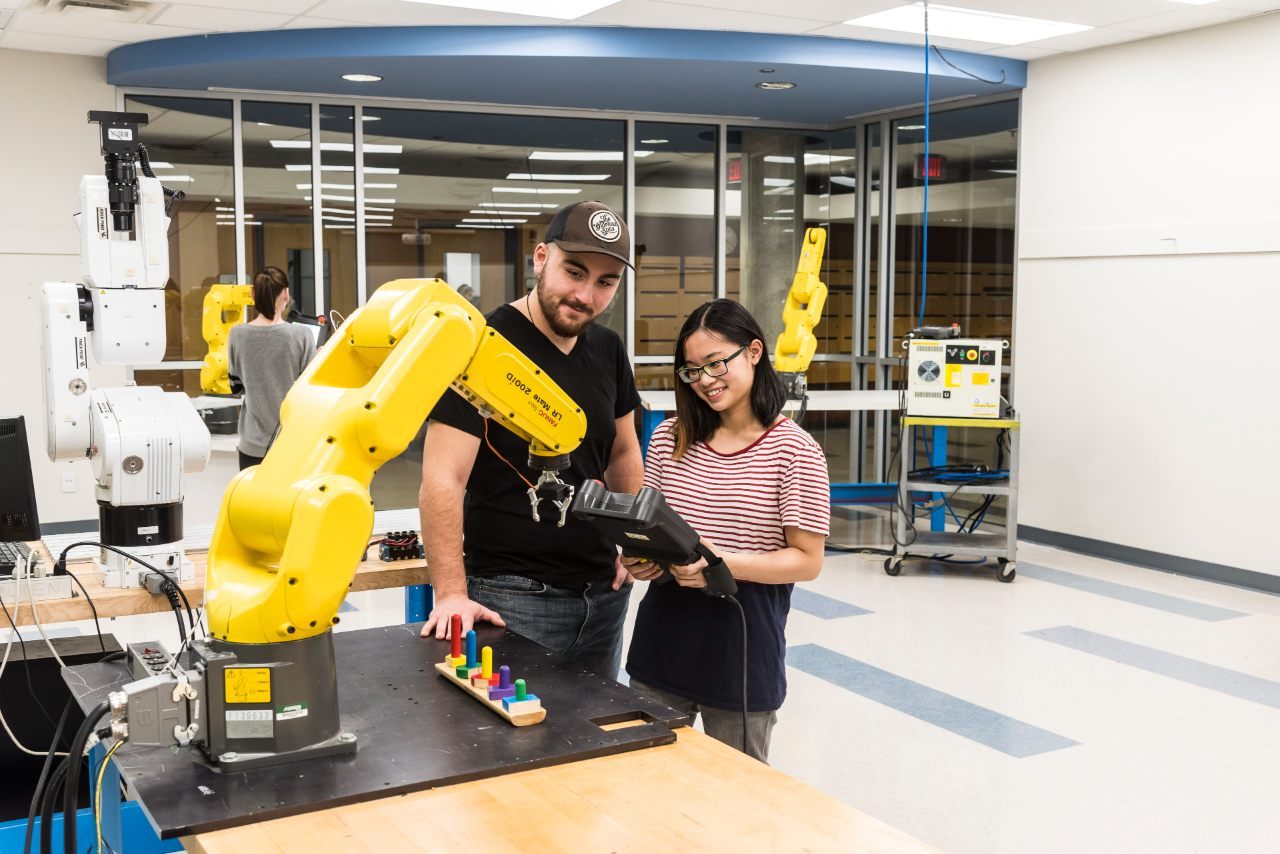
Robotics projects don’t run on software alone. Every robotic arm, actuator, and end-effector requires physical design work, tolerance analysis, and material selection decisions that only mechanical engineers handle well. The role of mechanical engineering in robotics goes far beyond drafting CAD models; it includes stress testing, thermal management, and ensuring that a prototype actually survives a production environment.
The problem is that mechanical engineers with robotics experience are scarce. University programs still separate the two disciplines more than industry does. A graduate with a mechanical engineering degree may know statics and dynamics thoroughly but have almost no exposure to sensor integration, motion planning, or the practical realities of programming a six-axis arm. Companies end up training people on the job for six to twelve months before they become truly productive.
Staffing Models That Actually Work for Robotics Teams
When direct hiring stalls, companies often turn to specialized recruiters. Generic staffing agencies rarely understand the difference between a controls engineer and a mechanical designer who works with robotic systems. That knowledge gap leads to mismatched candidates and wasted interview cycles.
Professional engineering staffing by JOT Solutions and similar technical placement services tend to produce better results because their recruiters understand the technical requirements. They know that a robotics integration project needs someone comfortable with both SolidWorks and PLC programming, not just one or the other.
Contract-to-hire arrangements have become popular for robotics roles specifically because the learning curve is steep. A three-month contract lets both sides evaluate fit before committing. It also gives the engineer time to understand the specific robotic platform the company uses, whether that’s Fanuc, ABB, Universal Robots, or something else entirely.
Why Salary Alone Won’t Solve the Talent Gap
According to the Bureau of Labor Statistics, demand for mechanical engineers is projected to grow steadily, but the subset with hands-on robotics skills represents a fraction of the total talent pool. That mismatch is what makes hiring so difficult.
Throwing money at candidates feels like the obvious fix, but it has limits. Robotics engineers with five or more years of experience already command salaries well above $100,000 in most U.S. markets. Smaller manufacturers competing against Boston Dynamics, Tesla, and Amazon for the same people simply cannot win on compensation alone.
What does work is offering interesting problems. Engineers who gravitate toward robotics tend to be motivated by the work itself. A company building custom automation for food processing or medical device assembly can attract strong candidates by emphasizing the variety and challenge of the projects, even if the pay is 10-15% below what a large tech firm would offer.
Location matters too, though less than it did five years ago. Remote work doesn’t apply to most robotics roles since someone has to physically commission the equipment. But companies in regions with lower living costs, like parts of Florida, the Carolinas, or the Midwest, can attract engineers who are priced out of housing in San Francisco or Boston.
The Training Investment Most Companies Skip

Many firms treat onboarding as paperwork and a factory tour. For robotics roles, that’s insufficient. A proper onboarding plan should include at least two weeks of hands-on time with the specific robotic systems the company uses, supervised by a senior engineer or integrator.
Some companies have started partnering with community colleges and technical schools that offer robotics certificate programs. According to the National Institute of Standards and Technology, standardized performance metrics for robotic systems are still evolving, which means practical, hands-on training often outweighs formal credentials.
The return on this investment is measurable. A well-trained robotics engineer reduces unplanned downtime, catches design flaws earlier in the prototyping phase, and can adapt existing systems to new products without requiring a full redesign. One experienced engineer can save a mid-sized manufacturer hundreds of thousands of dollars annually in avoided mistakes and faster commissioning times.
What Happens When You Get the Hire Wrong
A bad hire in a robotics role is expensive in ways that go beyond the wasted salary. If an engineer lacks the skills to properly commission a robotic cell, production timelines slip. Downstream consequences include late deliveries, penalty clauses with customers, and damaged relationships with clients who were promised a specific start date.
There’s also a safety dimension. Robotic systems that aren’t properly configured, maintained, or safeguarded can injure workers. An engineer who doesn’t understand risk assessment protocols or ISO safety standards for industrial robots creates genuine liability for the company.
The compounding effect is what makes it painful. A three-month delay in getting a robotic welding line operational might cost $200,000 in lost production. Hiring the wrong person, realizing the mistake after two months, and starting the search over means that delay stretches to six months or longer. Companies that invest time upfront in finding the right candidate, whether through specialized staffing or careful vetting, almost always come out ahead.