
Updated on April 28, 2026
Glenda Webb | Business & Lifestyle Lab
Get local business support | Increase the revenue and expand your business in Florida
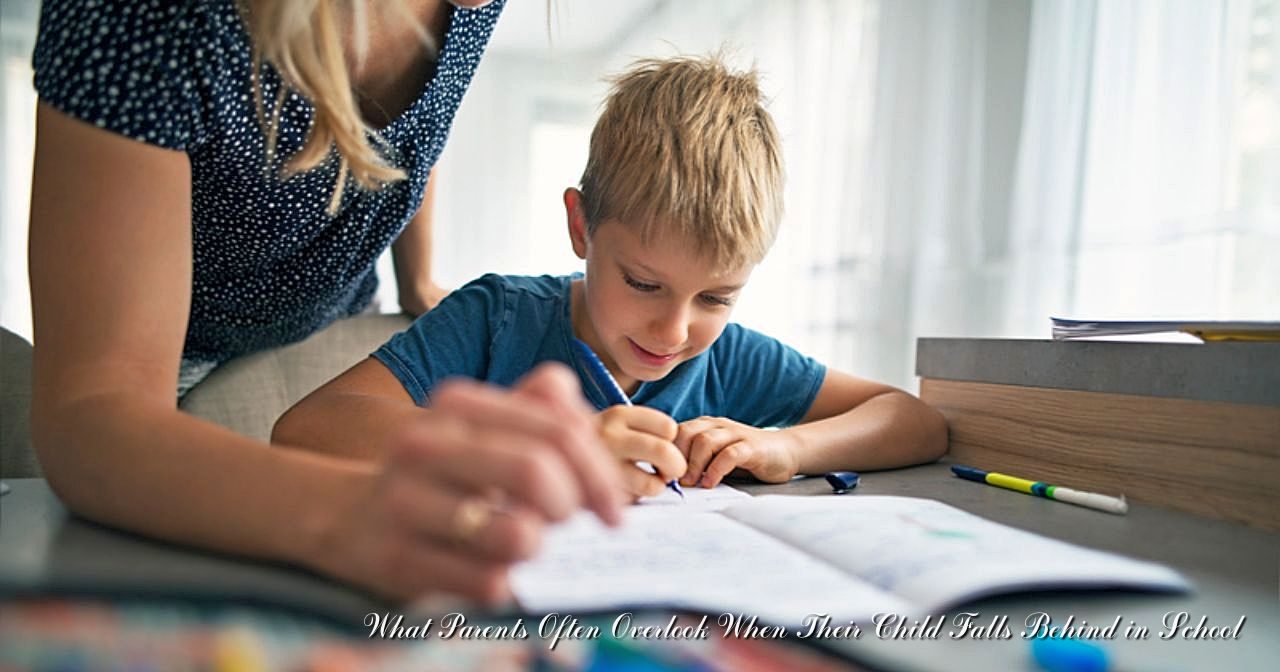
Most parents notice when grades start slipping. The report card comes home, and the numbers don’t look right. But the reaction is almost always the same: more homework time, fewer distractions, maybe a conversation about effort. The actual cause of the problem rarely gets addressed because it’s harder to see.
Kids fall behind for reasons that have very little to do with how hard they try. A child who spent three hours on a worksheet isn’t being lazy. They might be missing a foundational concept from two years ago, or they might learn differently than the way their teacher explains things. The gap between what parents assume and what’s actually happening is where most of the damage gets done.
The Difference Between Laziness and Confusion

There’s a pattern that plays out in households across the country. A kid stares at a math problem for twenty minutes, writes nothing, and a parent assumes they’re not trying. But that blank page often means the child genuinely doesn’t know where to start. They’re not avoiding the work; they’re stuck.
One practical step is to find a tutor for your child who can identify the specific concept that’s causing the bottleneck. A classroom teacher managing thirty students rarely has time to do that kind of diagnostic work. A one-on-one setting makes it possible to trace a math struggle back to, say, a shaky understanding of fractions that was never properly addressed in third grade.
The distinction matters because the fix for confusion looks completely different from the fix for laziness. Punishment or pressure won’t solve a knowledge gap. Targeted instruction will.
Why Report Cards Tell Only Half the Story
A “C” in science could mean a dozen different things. Maybe the child aced the labs but bombed the written tests. Maybe they understood the material but kept turning in assignments late. Report cards compress all of that into a single letter, and parents often treat that letter as a diagnosis when it’s really just a symptom.
According to the National Center for Education Statistics, nearly 14% of public school students in the U.S. receive special education services, many of whom were initially flagged not by test scores but by behavioral patterns their parents hadn’t connected to learning difficulties. The data suggests that grades alone are poor predictors of where a child actually needs help.
Talk to the teacher before you talk to the child. Ask which specific skills are weak, which assignments were the problem, and whether the issue is comprehension or organization. That conversation will tell you more than any report card ever could.
Screen Time, Sleep, and the Homework Connection
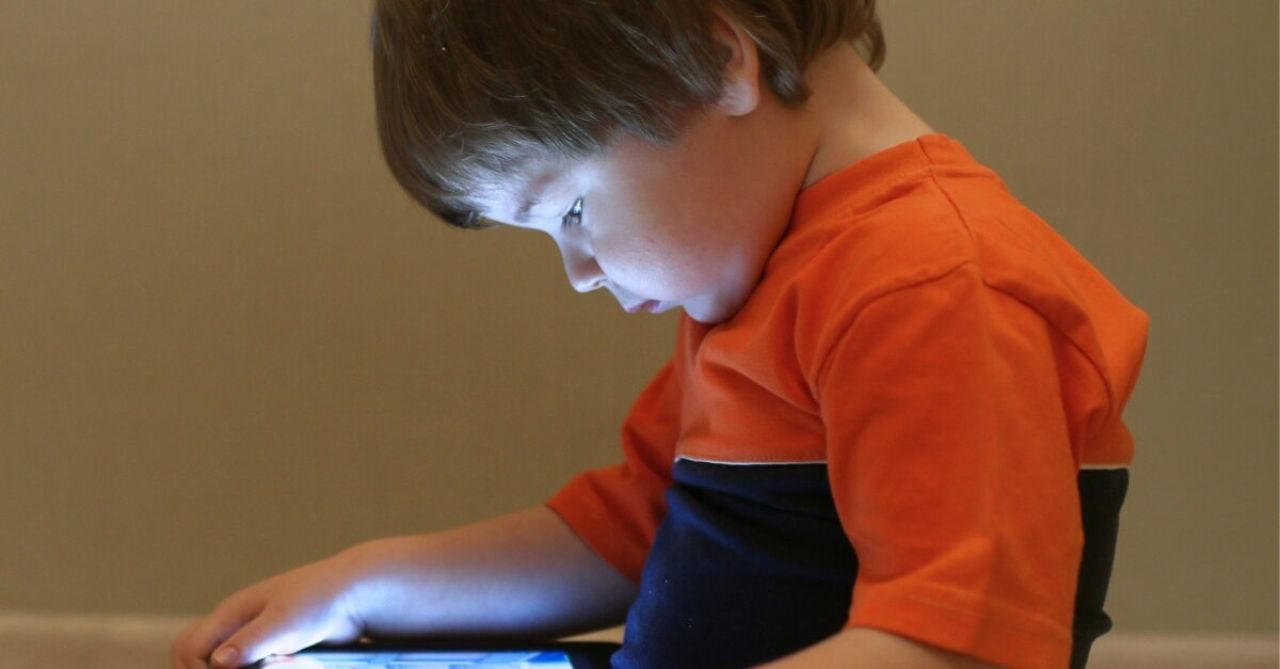
Parents tend to treat screen time as the obvious villain, and sometimes it is. But the relationship between screens and academic performance is less direct than most people think. A kid who watches YouTube for an hour after school and then finishes homework in thirty minutes is in a very different situation from one who scrolls TikTok until midnight and can’t focus the next day.
Sleep is the variable that gets underestimated the most. Research published by the American Academy of Pediatrics recommends 9 to 12 hours of sleep per night for children ages 6 to 12. Kids who consistently get less than that show measurable drops in attention, memory, and emotional regulation. If your child suddenly can’t handle material they used to manage fine, check their bedtime before you check their study habits.
The fixation on screens also obscures a simpler question: does your child have a quiet, consistent place to do homework? A kitchen table during dinner prep is not the same as a desk in a calm room. Environment matters more than most parents give it credit for.
When Schools Can’t Fill the Gap
Public schools operate under constraints that most parents don’t fully appreciate. Class sizes keep growing. Specialist positions get cut. The teacher who might have pulled your child aside for extra help ten years ago now has five more students and two fewer planning periods.
This isn’t a criticism of teachers. It’s a structural reality. The system was designed for the middle of the bell curve, and kids on either end of it often don’t get what they need. Gifted students get bored; struggling students get left behind. Both groups tend to disengage, and disengagement looks a lot like not caring.
Some districts have started offering after-school support programs, but availability varies wildly by zip code. If your school doesn’t have one, you may need to look outside the building for solutions. Waiting for the system to catch up is rarely a winning strategy when your kid is the one falling through the cracks.
Small Adjustments That Actually Work

Grand plans usually fail. Telling a ten-year-old they need to “take school more seriously” is about as effective as telling an adult to “just relax.” What works is smaller and more specific.
Set a consistent homework window, not a homework marathon. Fifteen minutes of focused work beats two hours of frustrated stalling. Sit nearby, not hovering, but available. And if your child asks the same type of question repeatedly, that’s useful information. It means there’s a concept they haven’t locked in, and no amount of repetition at home will fix what needs to be re-taught.
Pay attention to the subjects they avoid. Avoidance is the clearest signal a kid can give you, and it almost always points to where the real struggle is hiding. The fix is usually less dramatic than parents expect: a few weeks of focused support in the right area can shift the entire trajectory.