
Posted on April 1, 2026
Glenda Webb | Business & Lifestyle Lab
Get local business support | Increase the revenue and expand your business in Florida

Moving looks simple from a distance. Then the real work starts. Tight staircases. Elevator booking windows. Parking limits. Fragile items that need more than bubble wrap and hope. Tough moves rarely fall apart because of one big mistake. They usually go sideways because of ten small ones that pile up fast. That is why experienced teams matter. A company like Special Force Movers builds its process around planning, labeling, packing, transport, and setup, with service lines that include residential, commercial, long-distance, packing, storage, office, and piano moving.
The lesson for homeowners is clear. You do not need a massive move to borrow smart tactics from professionals. You need better sequencing, sharper decision-making, and fewer last-minute surprises. Think of this article as a practical version of how to stay organized during a move. Not a generic checklist. A field guide built around the same pressure points movers deal with every day, from access issues and timeline control to packing logic and room-by-room setup. Special Force Movers also emphasizes custom moving plans, transparent quotes, trained staff, and careful room-based service, which makes their approach a useful model for moves that feel messy before they even begin.
Tough Moves Usually Get Won Before Moving Day

The hardest part of a hard move often happens before the truck arrives. Good movers do not treat preparation as paperwork. They treat it as risk control. A narrow hallway changes how large furniture gets wrapped and angled. A condo elevator booking changes the loading order. A downtown building with strict time slots changes the schedule, crew size, and pace. When pros assess a move early, they are not being cautious for show. They are removing friction before it turns expensive.
You can apply the same thinking at home. Walk through your move with a notebook and look for points of failure. Measure doorways. Measure your sofa. Confirm parking rules. Ask your building manager about loading docks, elevator reservations, insurance certificates, and move-in hours. If you are moving a business, add network equipment, file security, and workstations to that list. One overlooked access issue can burn an hour. On moving day, an hour feels huge.
Another smart habit is to separate facts from assumptions. Many people assume their dresser will fit through the door because it came in once. Maybe it did. Maybe it was assembled inside. Maybe the stair rail came off during delivery years ago. Pros do not gamble on memory. They verify. That one habit saves time, prevents damage, and lowers stress more than any motivational advice ever could.
Packing Is Less About Boxes and More About Decision Quality
Most people think packing skill starts with tape and ends with labeling. Professionals know better. Packing is really a decision system. What gets packed first. What stays accessible. What needs double protection. What should travel upright? What should never ride in the same box. The box is the final step. The thinking comes first.
That is why good movers create categories before they touch materials. Daily-use items stay separate. High-risk items get special handling. Heavy items go in smaller boxes. Light and bulky items go in larger ones. Breakables get structure, not just padding. This is also why full-service movers put so much emphasis on proper materials and technique instead of treating packing like a side task. Special Force Movers describes packing as a core service and highlights reliable materials, room-based handling, and careful setup at destination.
At home, the best move you can make is to pack by function, not by panic. Build one box for the first night. Build one document folder that never leaves your side. Build one box for chargers, remotes, screws, tools, and labels. Then pack by room and by item type. Keep linens with linens. Cables with cables. Pantry items with pantry items. Once categories stay clean, unpacking gets faster and far less frustrating. Chaos at the new place usually starts with chaos in the boxes.
Access Problems Change Everything, So Plan for Them Early

A move can look normal on paper and still turn difficult because access is poor. This is where experienced movers earn their reputation. Four flights of stairs with no elevator. A home on a tight corner with limited truck access. A condo tower that allows only a short service window. A long carry from the curb to the unit. None of these issues sound dramatic on their own. Put them together, and the workload changes fast.
Professional crews respond by adjusting the order of work. They load differently when speed at destination matters. They protect high-contact areas. They stage items based on where they need to land. They also bring the right number of movers for the access conditions, not just the inventory count. Special Force Movers highlights tailored moving plans, flexible scheduling, and trucks matched to move needs, which reflects the same principle: access shapes execution.
You can borrow that mindset right away. Do not think only about what you own. Think about the path each item must travel. From bedroom to hallway. Hallway to stairs. Stairs to truck. Then repeat the same thought process for the destination. If a piece will be awkward, flag it in advance. If parking will be difficult, secure a solution early. If the building has restrictions, get them in writing. Moves get smoother when logistics stop being an afterthought.
Specialty Items Need Their Own Rules
Every tough move has at least one item that changes the tone of the whole day. A piano. A marble table. A large glass cabinet. Gym equipment. A safe. Fine art. Oversized sectionals. These pieces are not hard only because they are heavy. They are hard because they combine weight, awkward shape, fragility, and high replacement cost. That mix leaves little room for improvisation.
Professional movers treat these items as separate projects inside the larger move. They use dedicated equipment, controlled lifting, extra wrapping, and a clear route. Piano moving is a strong example. It takes more than muscle. The instrument needs the right handling method, tools, and balance throughout loading and transport. Special Force Movers explicitly positions piano moving as a specialized service and describes using proper equipment and careful packing to protect the instrument in transit.
The practical tip here is simple. Identify specialty items early and give them their own plan. Do not tuck them into the general list and hope the crew “figures it out.” Take photos. Share dimensions. Mention stairs, landings, and tight turns. Remove loose parts where possible. Store hardware in labeled bags. When a difficult item gets proper attention in advance, the rest of the move stops revolving around it.
Good Movers Protect Time as Aggressively as They Protect Furniture
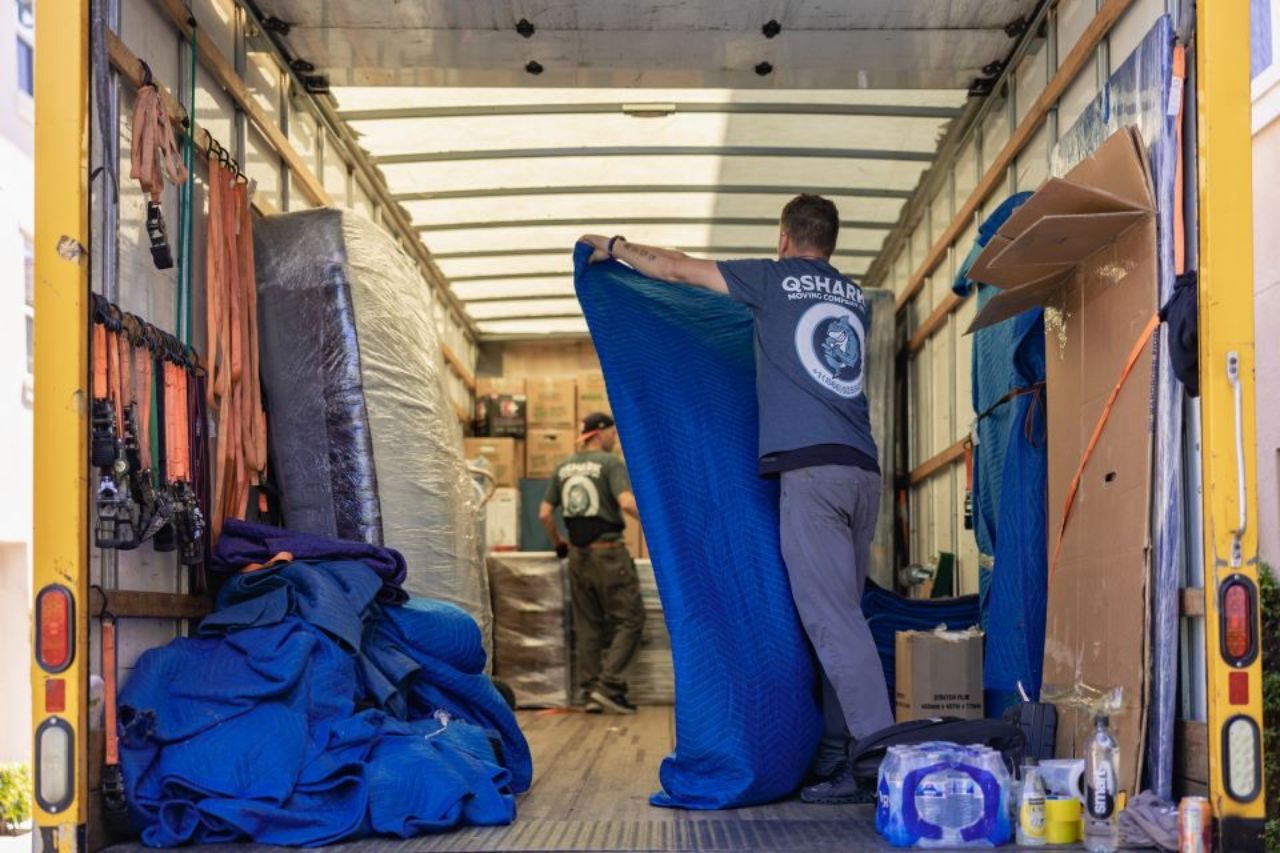
Damage gets attention. Delays deserve just as much respect. A late start can trigger missed elevator slots, extra labor hours, childcare issues, utility handoff problems, and key exchange headaches. That is why strong moving teams think in time blocks, not vague promises. They know loading can slow down. Traffic can shift. Building rules can interrupt flow. So they create a process that keeps the day moving.
Commercial moving makes this especially obvious. Businesses care about downtime, access order, setup sequence, and getting critical areas operational fast. Special Force Movers outlines a process that includes assessment, planning, labeling, packing, transportation, unpacking, and final setup to reduce disruption. Residential moves benefit from the exact same discipline.
Use that structure in your own move. Create three timing layers. First, the fixed commitments, such as elevator bookings, key pickup, and utility appointments. Second, the critical sequence, such as beds, kitchen basics, and work equipment. Third, the flexible items that can wait. This protects the day from feeling like one giant deadline. It also helps you judge what truly matters when something shifts, because something almost always does.
The Best Moves End With Setup, Not Just Delivery
A move is not done when the truck empties. It is done when the new place starts working. That difference matters. Many people focus so hard on departure that they arrive exhausted, surrounded by boxes, and unsure where to begin. Professional movers close the loop better. They think room by room. They place items where they belong. They reassemble what needs reassembly. They aim to turn disorder into livable structure quickly.
That approach changes the emotional side of a move too. A chaotic first night makes the whole experience feel worse. A functional first night changes the tone. Bed assembled. Bathroom essentials are easy to find. Kitchen basics accessible. Internet gear in one place. Important documents still with you. Special Force Movers emphasizes room-by-room setup, disassembly and reassembly for some services, and organized placement at delivery. Those details matter because they shorten the gap between arrival and normal life.
So before moving day, decide what “working” means for your first 24 hours. Not perfect. Working. Make that your finish line. Pick the rooms that matter most. Label those boxes clearly. Keep the essentials separate from the rest. Tough moves feel smaller when the landing is clean. That is the real lesson professionals keep proving: the move does not need to feel easy to be handled well. It needs a system that holds up under pressure.