Posted on January 29, 2026
Glenda Webb | Business & Lifestyle Lab
Get local business support | Increase the revenue and expand your business in Florida
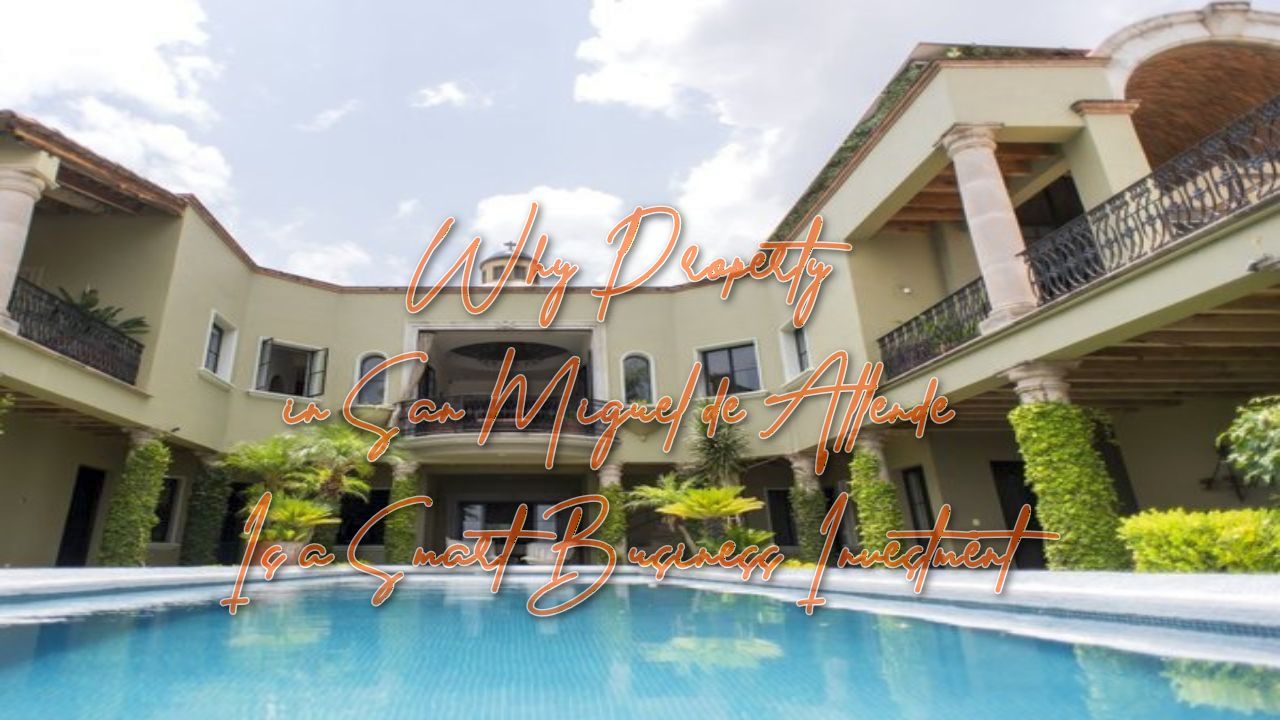
San Miguel de Allende has a rare mix that business buyers chase for years: a global reputation, a walkable historic core, and steady demand from travelers and long-term residents who spend confidently. That demand does not hinge on a single season or a single customer type. It comes from cultural tourism, destination weddings, culinary travel, retiree and remote-work relocation, and a strong base of repeat visitors.
For buyers comparing locations at the neighborhood level, https://dreamprohomesluxury.com/san-miguel-de-allende/neighborhoods/ and https://dreamprohomesluxury.com/ can help frame what different areas feel like and what property types tend to fit each micro market. The bigger business case, though, sits in the city’s fundamentals: consistent visibility, durable appeal, and multiple ways to monetize real estate without turning the property into a second full-time job.
A Global Reputation Creates Reliable Demand
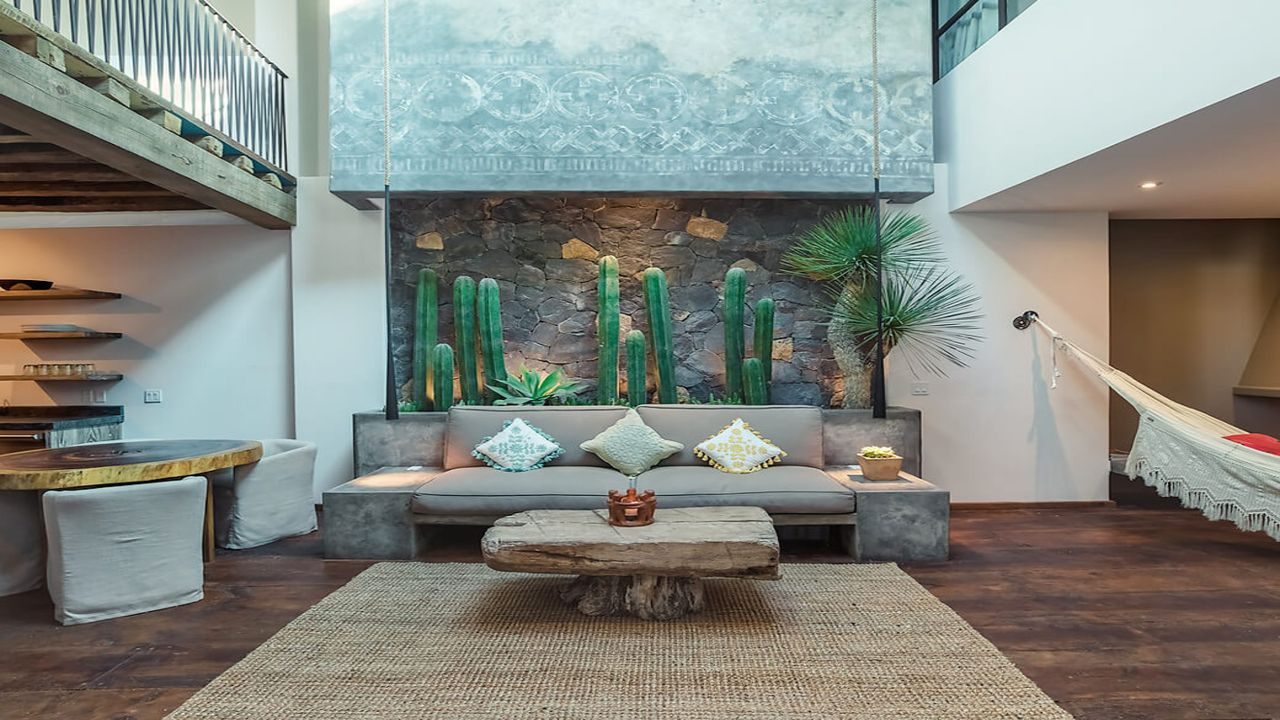
San Miguel de Allende benefits from worldwide visibility that most cities spend decades trying to build. Cultural recognition, a preserved historic core, and a strong travel profile keep it top of mind for international visitors. That matters because demand often begins long before someone books a flight. People arrive with high expectations, a larger budget, and a clear intent to explore.
This “destination pull” supports resilient occupancy for well-located properties and consistent foot traffic for certain commercial concepts. It also brings repeat visitors. Many travelers return for festivals, food, art, and seasonal escapes. Repeat demand is gold for operators because it lowers marketing pressure and improves forecasting.
One Asset Can Support Multiple Revenue Paths
A smart real estate investment performs well today, yet it stays flexible for tomorrow. In San Miguel de Allende, a single property can serve different revenue models across its life cycle. A home can operate as a premium short-term rental in high seasons, shift to medium-term stays for relocation clients, then later become a furnished executive lease. That flexibility spreads risk and helps protect returns when travel patterns change.
Mixed-use and small commercial assets offer similar options. A ground-floor space can support retail, services, or food concepts, while upper floors produce rental income. Some owners build value through careful repositioning, like converting unused courtyards into guest-friendly outdoor areas or upgrading layouts for better privacy and flow. The key is to buy an asset that gives choices, then select one strategy and execute it well.
Accessibility Supports Occupancy and Smooth Operations
San Miguel de Allende feels special and insulated, yet it remains practical to reach from major regional airports. That ease of access supports weekend trips, multi-week winter stays, and frequent repeat visits. For rentals and hospitality, it reduces booking friction. Guests prefer destinations that do not require complicated transfers.
Operationally, accessibility helps too. When suppliers, trades, and property management can move efficiently, turnovers get easier and service stays consistent. This reduces the hidden costs that quietly damage profit, like delayed repairs, extended vacancy between bookings, and last-minute vendor premiums.
Ownership and Due Diligence Enable Better Long-Term Planning
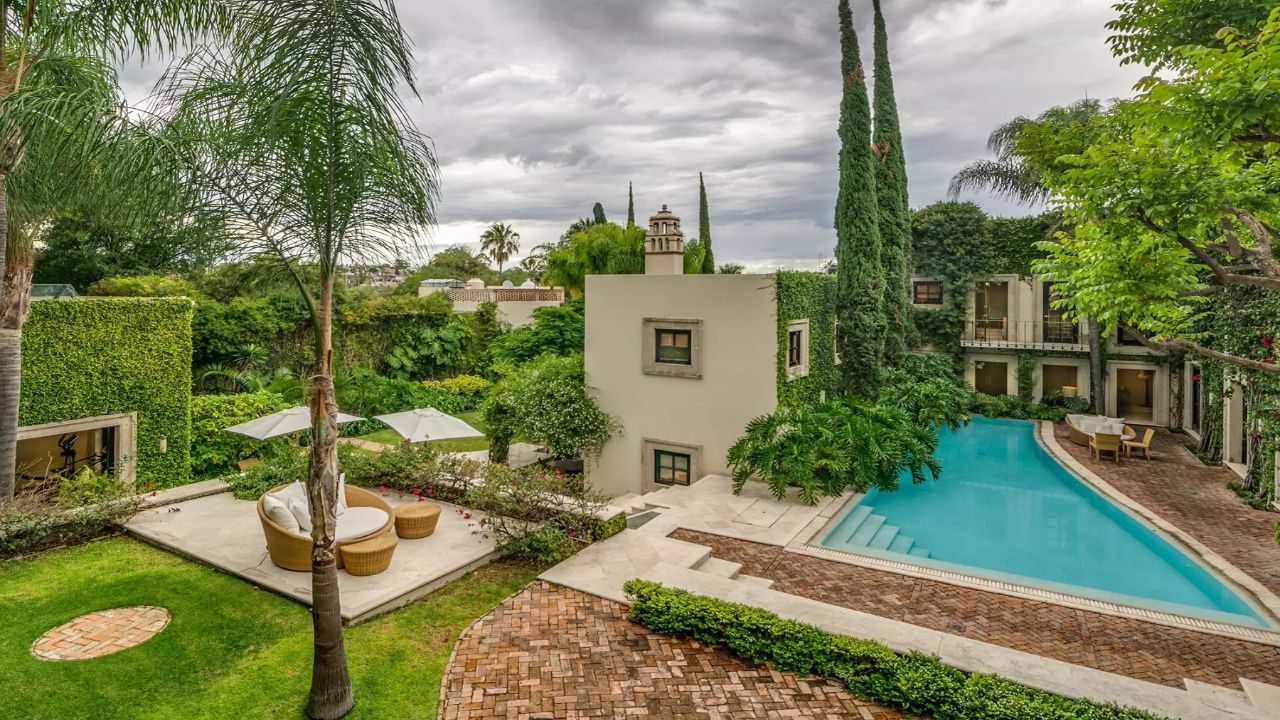
Business investors do best when the legal and administrative side stays clear and well-structured. In an inland market like San Miguel de Allende, foreign buyers often find the ownership process more straightforward than in many coastal locations. Even so, smart buyers treat the process like an acquisition, not a casual purchase.
That means a strong title review, clear documentation, a realistic renovation scope, and professional support that matches the property type. When due diligence is tight, long-term planning improves. Financing decisions get easier, insurance conversations become cleaner, and resale timelines become more predictable. Those factors do not sound exciting, yet they protect value and reduce stress.
High-Intent Visitors Spend on Experiences, Not Only Lodging
San Miguel attracts visitors who pay for dining, design, culture, wellness, and small-group experiences. That spending pattern expands the business opportunity for real estate. A well-designed property can capture more revenue by enabling experiences. Think chef-friendly kitchens, courtyards that support private events, rooftop terraces with sunset views, or layouts that work for small retreats.
Long-stay residents also influence demand. Many want comfortable, well-maintained homes with strong internet, good lighting, practical storage, and quiet spaces for work. Properties that deliver those basics tend to earn better reviews, longer stays, and stronger referrals. Those outcomes translate into steadier cash flow and lower marketing dependence.
Risk Management Gets Easier With the Right Strategy
Every market carries risk. The goal is to choose a market where key risks can be controlled through good operations and smart positioning. In San Miguel de Allende, owners can often control outcomes through preventive maintenance, strong management, and a clear guest or tenant profile. A disciplined plan beats a flashy one.
The strongest investors also underwrite conservatively. They budget for repairs, assume slower weeks, and plan for ongoing upkeep in a climate where materials and finishes can wear differently than in colder regions. They think about compliance early, set clear operating standards, and avoid overextending on renovations that do not improve revenue. That approach protects returns and keeps the investment enjoyable, not exhausting.