
Posted on January 14, 2026
Glenda Webb | Business & Lifestyle Lab
Get local business support | Increase the revenue and expand your business in Florida
A missing tooth changes more than a photo. It changes how food breaks down, how the jaw carries force, and how easily everyday habits like brushing and flossing fit into a routine. Many people notice the cosmetic gap first, yet the bigger story often sits underneath the gumline, where bone, bite balance, and oral bacteria all respond to that empty space.
That is why patients often ask dentists at Orto Nova about dental implants for reasons that go far past appearance. A well-planned implant can support healthier chewing, steadier jaw function, and a cleaner environment for neighboring teeth. The result often feels less like “getting a replacement” and more like restoring a missing piece of the mouth’s natural system.
Help Preserve Jawbone Strength and Facial Support
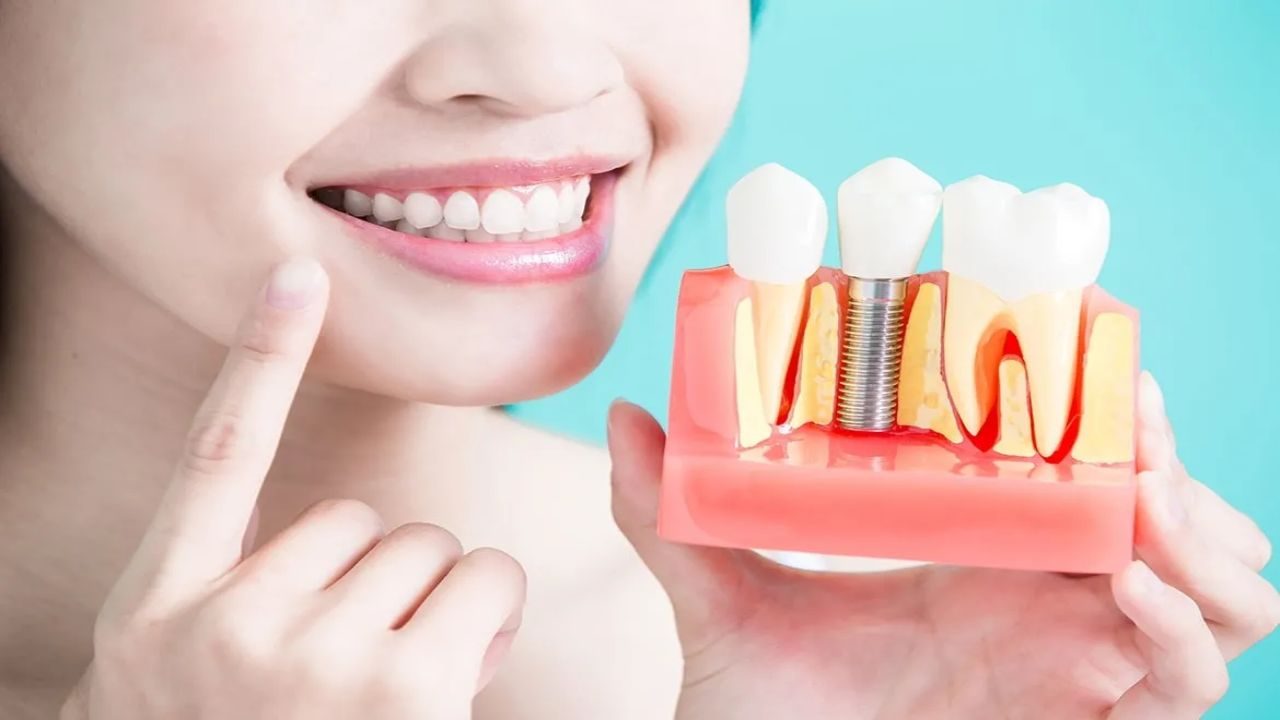
When a tooth root disappears, the jawbone in that area tends to lose stimulation. Over time, that lack of pressure can contribute to bone shrinkage. This matters because bone supports gum tissue, helps maintain facial contours, and keeps the bite stable. Dental implants can provide a type of functional load that helps the bone keep its role as a strong foundation.
Bone preservation also supports long-term oral planning. When bone volume declines, future restorative options can become more complex. An implant placed at the right time can protect the “real estate” in the jaw, so adjacent teeth stay better supported and gum architecture stays more consistent.
This is not a promise that every patient avoids bone changes completely. Biology, medical history, and habits like smoking still play a role. Still, in many treatment plans, an implant becomes a proactive step that supports healthier structures around the missing tooth site.
Improve Chewing Efficiency and Digestive Comfort
Chewing is the first stage of digestion, and it works best when the bite distributes force evenly. Gaps can lead people to favor one side, take smaller bites, or avoid certain foods. Over time, that can reduce dietary variety, especially with fibrous produce and protein-rich foods that need thorough chewing.
Dental implants can restore a stable chewing surface that feels secure during meals. That stability often helps people return to a broader range of textures, which supports balanced nutrition. It can also reduce the tendency to swallow larger pieces of food, a habit that can contribute to digestive discomfort for some people.
There is also a practical benefit that patients notice quickly. A tooth replacement that stays fixed in place can make eating feel more relaxed. Less shifting and less fear of movement often means fewer workarounds at the table and more normal, confident function day to day.
Protect Adjacent Teeth and Reduce Harmful Shifting
A missing tooth creates space, and teeth tend to drift toward open space over time. That drifting can change contact points, trap food more easily, and make flossing harder. The opposing tooth may also over-erupt, moving farther down or up into the gap. Those changes can lead to bite instability and added stress on remaining teeth.
An implant can help hold the lineup in a healthier position. By filling the space with a stable replacement, it can reduce the chance that neighboring teeth tip or rotate. That protection can preserve alignment and help keep the bite force more evenly distributed across the arch.
Another advantage is what an implant does not require. Many traditional options rely on reshaping adjacent teeth for support. An implant stands on its own. That can help preserve natural tooth structure, which is a long-term win for overall dental resilience.
Support Healthier Gums and Easier Daily Hygiene
Oral hygiene often becomes harder when teeth shift or when restorative work creates tricky angles. Crowded contacts and tilted teeth can turn brushing and flossing into a daily struggle. A well-contoured implant crown can restore a more natural shape and spacing, which can make cleaning more straightforward.
Gum health also depends on consistent removal of plaque around the gumline. When food and bacteria collect in an unstable gap, inflammation can follow. Closing the space with a properly designed restoration can reduce those plaque traps, so gum tissue faces fewer daily irritants.
That said, implants still demand excellent home care. Patients need to brush carefully at the gumline and clean between teeth and around the implant restoration. With the right routine and regular professional maintenance, many people find they can keep the area clean without feeling like they need special “workarounds” forever.
Ease Jaw Strain and Promote Bite Balance
The mouth works like a coordinated system. When one area loses function, other areas often compensate. People may chew on one side, clench more, or recruit different muscles to stabilize the bite. Over time, that can contribute to jaw fatigue, soreness, or tension headaches in some individuals, especially if bite changes become significant.
By restoring a stable point of contact, an implant can help the bite feel more even. That balance can reduce uneven loading on the remaining teeth and decrease the sense that the jaw has to “find a position” during meals. For many patients, the improvement feels subtle at first, then becomes obvious when they realize how much compensation they used to do.
Bite harmony also supports long-term dental work. When forces spread more evenly, restorations on other teeth may face less stress. That can help protect crowns, fillings, and natural enamel from excessive wear caused by an imbalanced bite pattern.
Strengthen Long-Term Oral Health Planning and Quality of Life
Dental decisions rarely live in isolation. A missing tooth can influence future orthodontic needs, the success of other restorations, and even the comfort of routine cleanings. An implant can simplify long-term planning by restoring function in a way that supports predictable hygiene, stable spacing, and consistent bite contacts.
Many patients also appreciate the psychological relief that comes from a fixed solution. That relief extends beyond looks. It can mean speaking without self-conscious adjustments, laughing without covering the mouth, and eating without scanning the menu for “safe” options. Those daily wins can reduce stress and support social confidence in normal settings.
The best results come from thoughtful diagnosis and careful execution. A dentist evaluates bone levels, gum health, bite forces, and overall medical factors before recommending treatment. With the right planning, implants can serve as a health-focused restoration that supports the mouth as a working system, not simply a cosmetic upgrade.