
Updated on May 27, 2025
Glenda Webb | Business & Lifestyle Lab
Get local business support | Increase the revenue and expand your business in Florida

Starting a tech company is exciting, but building a product or launching a service takes more than just a great idea. One of the most important early decisions you’ll face is picking the right supplier. Whether it’s components, software, or hardware support, your supplier can make or break your startup’s progress. Reliable partners like Beyonics manufacturing in Singapore have helped tech startups maintain high quality while scaling, proving that a strong supply chain is crucial from day one.
But finding that perfect supplier isn’t always easy. There are many moving parts—costs, timelines, quality, communication, and more. So, what are the things to look for when choosing supplier partners, especially when you’re still new to the game? Let’s break down the key factors every tech startup should consider before signing that first contract.
Product Quality and Reliability
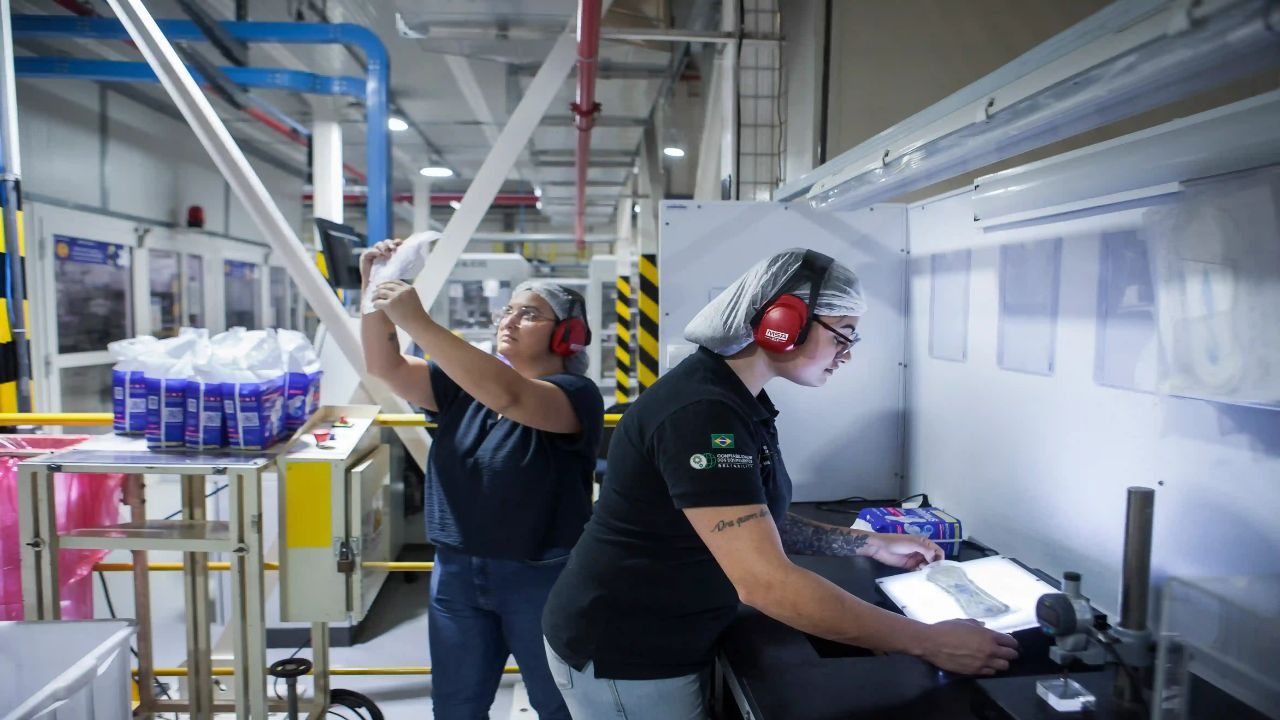
Quality should always come first. As a startup, your reputation depends on how well your product performs. If you’re building something like smart devices, sensors, or wearable tech, even small defects can lead to big problems, like poor user experience or negative reviews.
Before selecting a supplier, ask for product samples or review case studies of their past work. Don’t just take their word for it; test their products yourself or get them evaluated by someone with technical knowledge. A reliable supplier will also have certifications or quality control systems in place to maintain consistency. This step might take time, but it’s worth it in the long run.
Costs and Transparency
Startups usually have limited budgets. So while cost matters, going with the cheapest option isn’t always the best move. A low-cost supplier could mean cutting corners, unreliable delivery, or hidden fees. Instead, look for fair pricing and total transparency about what you’re paying for.
Good suppliers break down their quotes clearly. They explain what each charge is for—materials, labor, logistics, etc. They also help you plan for scaling, offering options that grow with your business. Ask upfront about discounts for bulk orders or future partnerships. Understanding the true cost of doing business helps you avoid surprises down the line.
Flexibility and Scalability
Your startup might start small, but your goals are probably big. That means your supplier should be able to scale with you. Whether you go from producing 100 units to 10,000, your supplier should be ready to grow with you.
Some suppliers are better suited to flexible production schedules. Others prefer large, predictable orders. Ask about their production capacity and lead times. Can they handle last-minute changes? Are they open to short runs during the testing phase? Choosing a supplier that can adapt as you grow is a major asset.
Communication and Responsiveness

In the fast-paced world of tech, delays can be expensive. You need a supplier who responds quickly, answers questions clearly, and keeps you updated. Poor communication can lead to mistakes, missed deadlines, and stress for your team.
When evaluating a supplier, pay attention to how they communicate in the early stages. Are they responsive to emails? Do they clearly explain timelines and technical terms? A good partner acts like a team member, not just a vendor. They take the time to understand your business and offer suggestions to improve your product.
Logistics and Delivery Time
You might find a supplier with great pricing and quality, but if they can’t deliver on time, your launch could suffer. Delivery delays are common when shipping parts globally, so work with suppliers who understand logistics well and have a solid track record.
Ask potential suppliers about their average lead times and how they handle shipping. Can they provide tracking? Do they work with reliable logistics companies? Also, discuss what happens in case of delays. Some suppliers offer compensation or flexible solutions when issues arise. Clear expectations about delivery can help you meet your project milestones.
Reputation and References
Don’t just rely on marketing brochures or slick websites. Look for real feedback from other companies, especially those in similar industries. A supplier’s reputation says a lot about how they treat partners and whether they deliver what they promise.
Ask for references. Reach out to other startups that have worked with them. You can also check online reviews or LinkedIn to see how active and professional they are in the business community. A supplier that values their reputation is more likely to go the extra mile to keep your startup happy.