
Updated on May 23, 2024
Glenda Webb | Business & Lifestyle Lab
Get local business support | Increase the revenue and expand your business in Florida
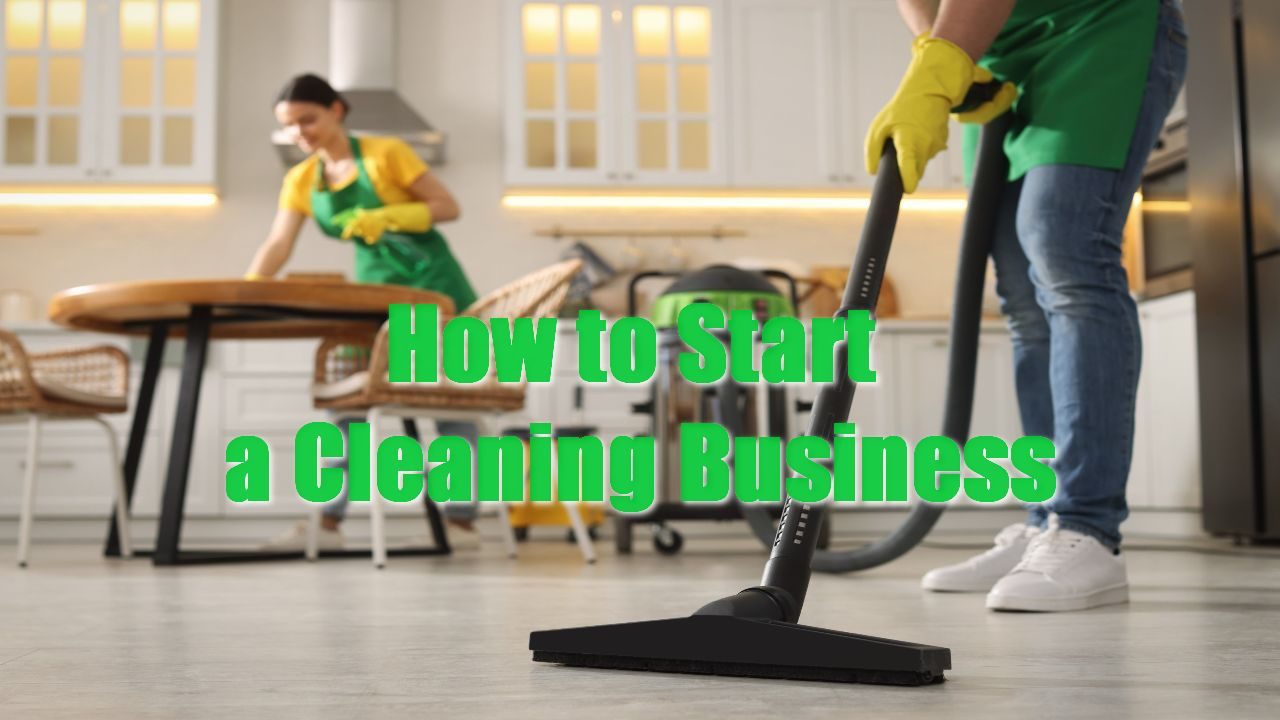
Like any business, starting a cleaning company requires careful planning and strategic execution. From understanding the market and defining your services to obtaining necessary licenses and marketing your business, each step is crucial to your success. This guide will walk you through the essential aspects of starting a cleaning business, helping you navigate the process with confidence.
Know Your Market
Before launching your cleaning business, it is important to understand the market. Researching your local market will give you insights into the demand for cleaning services, the types of services most in demand, and the competitive landscape. Identifying gaps in the market can help you position your business more effectively. For instance, if there is a high demand for eco-friendly cleaning services and few providers, this could be a niche worth exploring.
Are you focusing on residential clients, commercial properties, or something specific like gym cleaning? Each segment has its own unique needs and expectations. Residential clients may prioritize trust and thoroughness, while commercial clients might look for reliability and the capacity to handle larger jobs. Tailoring your services and marketing efforts to meet these specific needs can help you stand out in a crowded market.
Learn about your competitors’ pricing strategies. Understanding how they price their services can help you develop a competitive yet profitable pricing model. Offering introductory discounts or bundling services can attract initial clients and build your reputation. However, ensure that your prices cover your costs and provide a reasonable profit margin.
Defining Your Services

Clearly defining the services you will offer is a critical step in starting your cleaning business. The scope of services can vary widely, from basic house cleaning to specialized services like carpet cleaning, window washing, or post-construction cleanup. Decide whether you will offer general cleaning services or focus on a specific niche. Specialized services can command higher prices and reduce competition.
When defining your services, think about what will set your business apart. This could include using eco-friendly cleaning products, offering flexible scheduling, or providing exceptional customer service. Developing a unique selling proposition (USP) can help differentiate your business and attract loyal customers. For example, if you choose to focus on eco-friendly cleaning, make sure to highlight the benefits, such as creating a healthier home environment and reducing environmental impact.
It’s also important to establish clear service packages and pricing. Clients appreciate transparency and knowing exactly what they are paying for. Offering different tiers of service – basic, standard, and premium – allows clients to choose a package that fits their needs and budget. Make sure to detail what each package includes to avoid any confusion or dissatisfaction.
Obtaining Licenses and Permits
Starting a cleaning business involves several legal and regulatory considerations. You will need to obtain the necessary licenses and permits to operate legally in your area. The requirements vary by location, so check with your local government or small business administration to understand what is needed. Common requirements include a business license, a tax identification number, and liability insurance.
Insurance is particularly important for a cleaning business. It protects you from potential lawsuits and covers damages or accidents that might occur while you’re working. General liability insurance is essential, and if you plan to hire employees, workers’ compensation insurance may also be required. Investing in the right insurance coverage provides peace of mind and protects your business from unforeseen events.
In addition to licenses and insurance, consider any certifications that might enhance your credibility. Certifications from recognized organizations in the cleaning industry can demonstrate your commitment to quality and professionalism. While not always mandatory, certifications can give you a competitive edge and instill confidence in potential clients.
Investing in Equipment and Supplies

Investing in the right equipment and supplies is crucial for delivering high-quality cleaning services. The type of equipment you need will depend on the services you offer. Basic supplies include cleaning solutions, brushes, mops, vacuum cleaners, and protective gear. For specialized services, you may need additional equipment like carpet cleaners, pressure washers, or steam cleaners.
Quality matters when it comes to cleaning supplies and equipment. Using high-quality, efficient tools can improve your service quality and save time, which ultimately boosts profitability. Consider sourcing eco-friendly products if you are positioning your business as environmentally conscious. These products are not only better for the environment but can also be a selling point for health-conscious clients.
Hiring and Training Staff
As your business grows, you may need to hire additional staff to meet demand. Hiring the right people is crucial to maintaining service quality and building a positive reputation. Look for candidates with experience in cleaning, attention to detail, and a strong work ethic. Conduct thorough background checks to ensure trustworthiness, especially if they will be entering clients’ homes.
Training is equally important. Even experienced cleaners will need training on your specific processes, standards, and equipment. Develop a comprehensive training program that covers cleaning techniques, customer service, safety procedures, and the proper use of equipment. Consistent training ensures that all staff members deliver the same high standard of service.
Marketing Your Business
Effective marketing is essential to attract clients and grow your cleaning business. Start by creating a professional and user-friendly website that showcases your services, pricing, and contact information. Including customer testimonials and before-and-after photos can build credibility and attract potential clients. Optimize your website for search engines to increase visibility and drive traffic.
Social media is another powerful marketing tool. Platforms like Facebook, Instagram, and LinkedIn can help you reach a wider audience and engage with potential clients. Share useful cleaning tips, customer success stories, and special promotions to keep your audience interested and informed. Regularly updating your social media profiles can help build your brand and establish a loyal following.