
Updated on October 25, 2025
Glenda Webb | Business & Lifestyle Lab
Get local business support | Increase the revenue and expand your business in Florida

Plastic pollution has emerged as one of the most pressing environmental issues of our time. However, innovative minds across the globe are developing cutting-edge technologies and initiatives to tackle this problem. For instance, the PlasticPlace website is exploring new methods to enhance the efficiency of plastic recycling. Here, we highlight six promising advancements that could reshape the future of plastic recycling.
Chemical Recycling
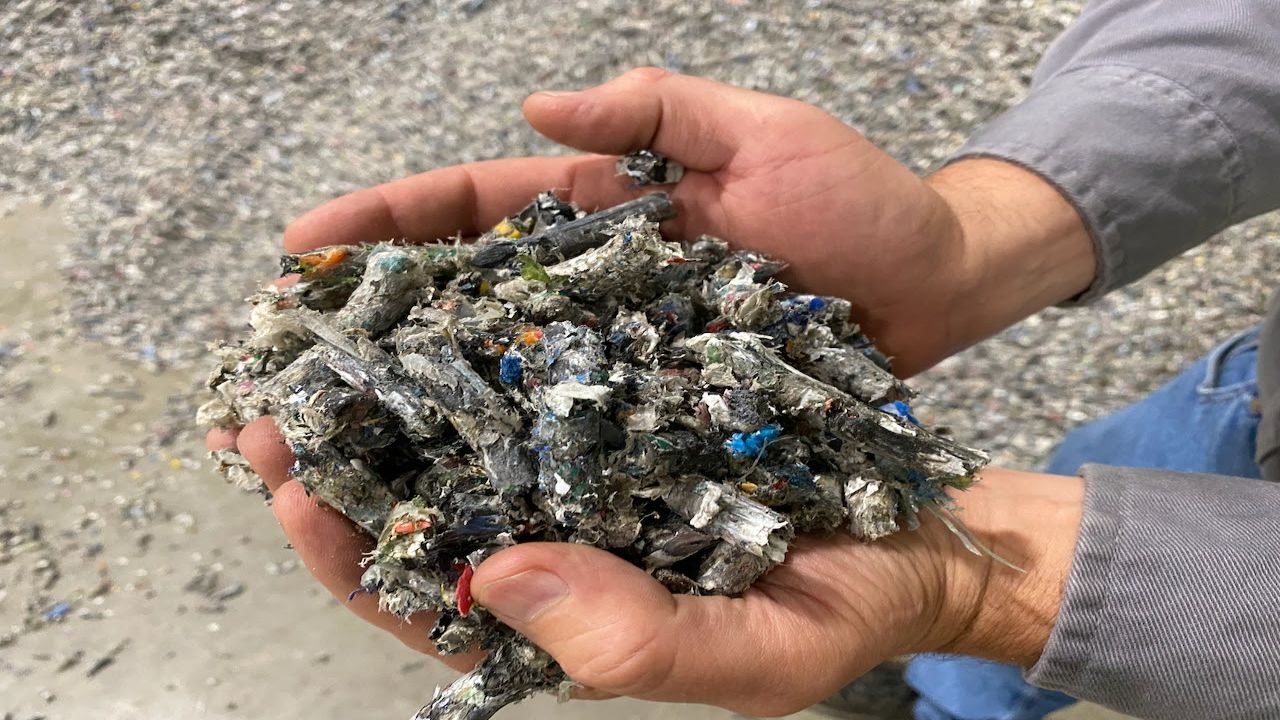
Traditional recycling methods often struggle with mixed plastics and contamination. Chemical recycling offers a solution by breaking down plastics into their basic chemical components. This process allows for the creation of new, high-quality plastics from waste materials. Companies like Loop Industries are leading the charge, utilizing chemical recycling to transform discarded plastics into valuable raw materials. This method not only improves the quality of recycled plastics but also broadens the range of plastics that can be recycled.
Advanced Sorting Technologies
Sorting plays a crucial role in the recycling process, and recent advancements are making it more efficient. Innovations like artificial intelligence (AI) and machine learning are being integrated into sorting facilities to enhance accuracy. AI-driven robots can now identify and sort different types of plastics with remarkable precision. For instance, AMP Robotics uses AI to distinguish between various plastics and ensure proper sorting. These technologies reduce contamination in recycling streams and improve the overall efficiency of recycling plants.
Biodegradable Plastics
While recycling is vital, reducing the creation of non-recyclable plastics is equally important. Biodegradable plastics present a viable alternative. Made from renewable sources like cornstarch or sugarcane, these plastics can decompose naturally under specific conditions. Companies like Novamont and NatureWorks are at the forefront of this innovation, producing biodegradable plastics that can replace conventional plastics in many applications. This shift helps mitigate the environmental impact of plastic waste that cannot be recycled.
Community-Based Recycling Programs
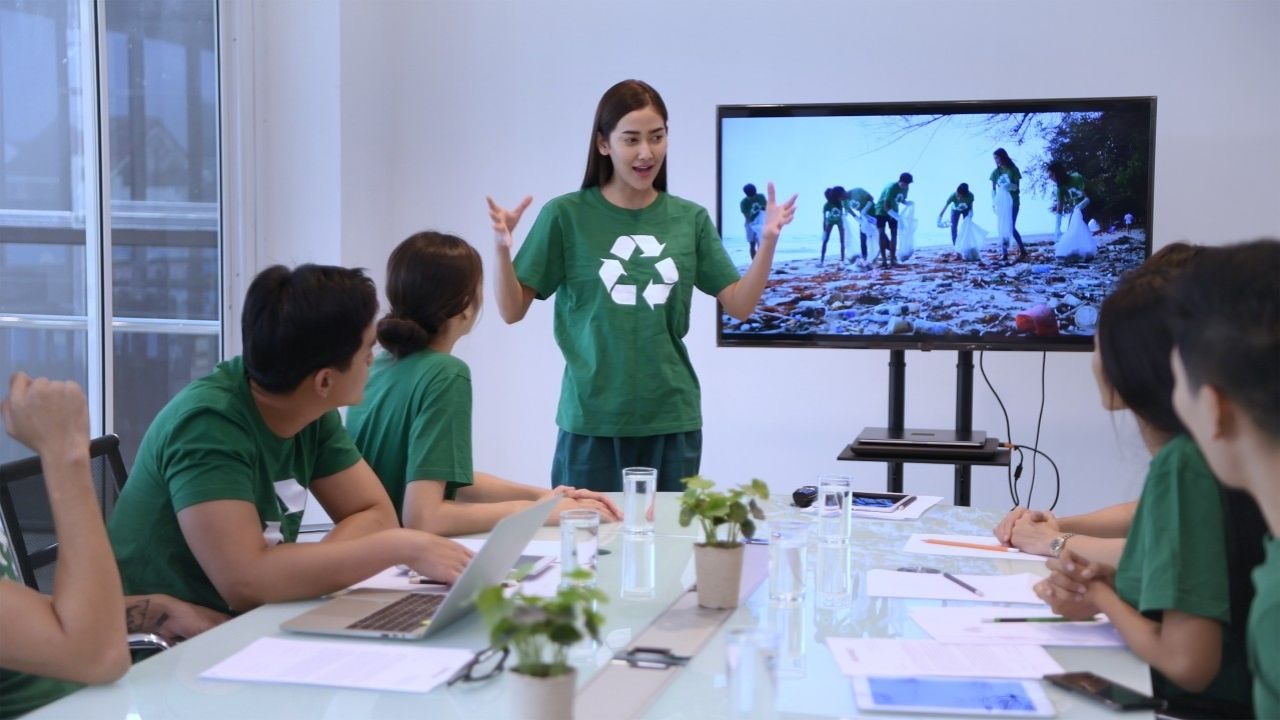
Grassroots initiatives are gaining traction as communities take plastic recycling into their own hands. Local programs, such as Precious Plastic, provide communities with the tools and knowledge to set up small-scale recycling operations. These programs encourage local participation and awareness, turning plastic waste into valuable products like furniture and home decor. By fostering a sense of responsibility and creativity, community-based recycling initiatives play a pivotal role in managing plastic waste at the local level.
Plastic-to-Fuel Technologies
Another promising development is converting plastic waste into fuel. Plastic-to-fuel technologies use pyrolysis, a process that breaks down plastics at high temperatures in the absence of oxygen. The result is a range of fuel products, including diesel and gasoline. Companies like Agilyx and Plastic Energy are pioneering this technology, providing a dual benefit of waste reduction and energy production. These systems can handle a variety of plastic types, making them a versatile solution for tackling plastic waste.
Government and Corporate Initiatives
Governments and corporations are also stepping up their efforts to address plastic waste. Legislative measures, such as plastic bag bans and incentives for recycling, are becoming more common. On the corporate side, many companies are committing to using more recycled materials in their products. For example, Coca-Cola has pledged to use 50% recycled content in its packaging by 2030. These initiatives help create a market for recycled plastics and encourage more sustainable practices across industries.
With these innovative technologies and initiatives, plastic recycling is undergoing a transformation. From advanced sorting systems and chemical recycling to biodegradable plastics and community programs, the future looks promising. As these advancements continue to develop, they offer hope for a cleaner, more sustainable world.