
Posted on October 12, 2024
Glenda Webb | Business & Lifestyle Lab
Get local business support | Increase the revenue and expand your business in Florida

As education continues to evolve in the digital age, it’s more important than ever for tutors to stay updated with the latest technology trends. Technology not only improves how we teach but also how students engage with and understand complex topics. Whether you’re a tutor just starting out or an experienced professional, understanding these tech advancements can greatly enhance your teaching methods and student success.
Ready to learn how to take your tutoring to the next level? Keep reading as we dive into five must-know tech trends for tutors!
Virtual Tutoring Platforms

The rise of virtual tutoring platforms has completely transformed the landscape of education. Platforms such as Zoom and Microsoft Teams are now widely used by tutors and students alike, offering face-to-face learning experiences from the comfort of home. These platforms allow tutors to reach a broader audience, particularly students who may not have access to in-person sessions due to location or time constraints.
For example, many maths tutors in Brisbane are taking advantage of these virtual platforms to provide tutoring services across Australia. This not only opens up more opportunities for students but also enables tutors to grow their clientele and work from virtually anywhere.
Virtual tutoring is convenient, flexible, and cost-effective for both tutors and students, making it a trend no modern tutor should ignore.
AI-Powered Learning Tools
Artificial intelligence (AI) is rapidly changing the way students learn and how tutors teach. AI-powered learning tools, such as adaptive learning software, assess students’ strengths and weaknesses in real time, adjusting content to meet individual needs. This allows tutors to deliver personalized lessons based on the student’s pace and level of understanding.
For example, platforms like Smart Sparrow and DreamBox tailor math exercises to each student’s current skill level, ensuring they remain challenged but not overwhelmed. By incorporating AI tools into their sessions, tutors can save time in assessing each student and instead focus on delivering customized and impactful lessons.
AI-powered learning tools are particularly helpful when working with students who have learning difficulties, as the content can be adjusted to accommodate their unique learning styles.
With AI-based platforms providing detailed insights into a student’s progress, tutors can easily track how well a student is grasping certain concepts. This enables tutors to adjust their strategies in real time, maximizing efficiency and effectiveness in each session.
Gamification
Gamification, or using game-like elements in non-gaming environments, has gained massive popularity in education. By integrating rewards, badges, and points into learning activities, tutors can make even the most complex subjects fun and engaging. When students view learning as a game, they tend to stay more motivated and interested, resulting in better academic performance.
Math-based learning apps like Prodigy use gamification to make learning exciting. Tutors can set up challenges for their students or introduce rewards for completing assignments, making learning feel less like a chore and more like an interactive experience.
Gamification helps build an emotional connection between the student and the material, encouraging consistent effort and a more positive attitude toward learning.
Digital Whiteboards
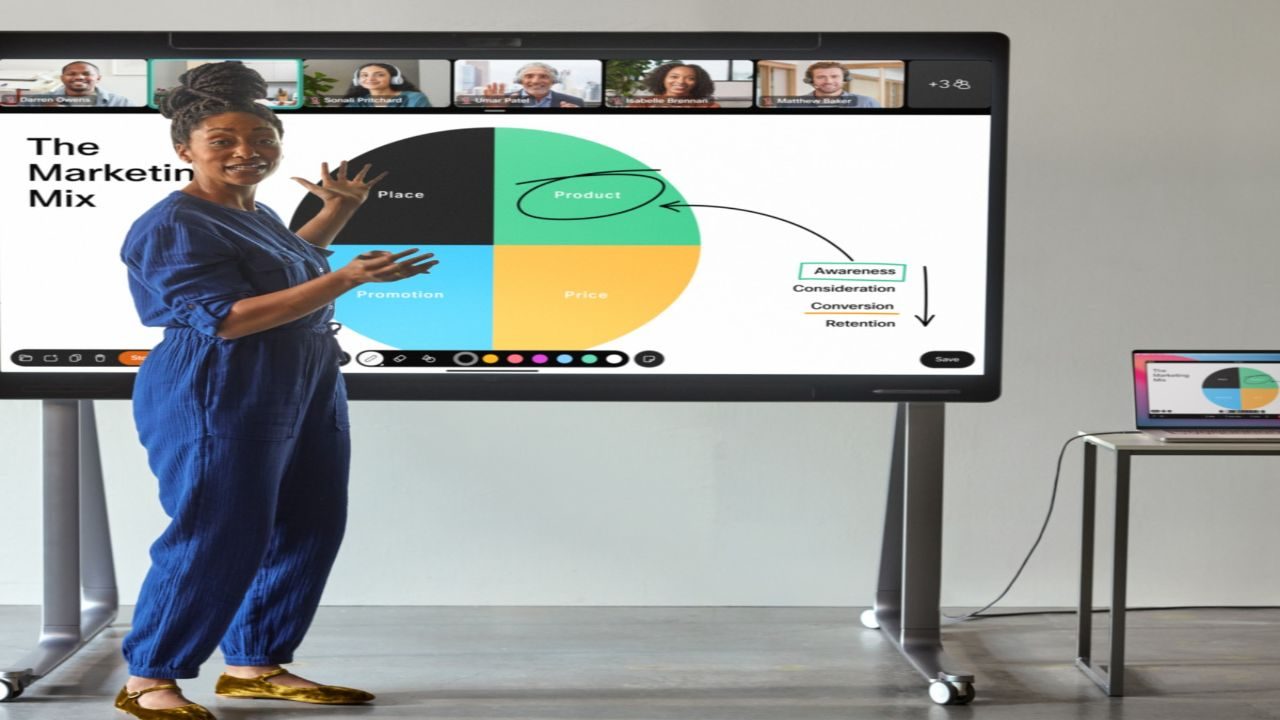
A common challenge in virtual tutoring is ensuring students remain engaged and understand the material as clearly as they would in a traditional classroom setting. Digital whiteboards, like those provided by Miro and Ziteboard, are a perfect solution for this.
These tools allow both the tutor and the student to collaborate on problems in real time, writing equations, drawing diagrams, or solving puzzles together on a shared digital canvas. This interaction helps bridge the gap between virtual and in-person tutoring, as it mimics the hands-on aspect of learning.
Tutors can use digital whiteboards to break down complex problems, such as algebraic equations or chemistry formulas while allowing students to actively participate in the problem-solving process.
Learning Analytics
Modern tutoring doesn’t just rely on observation and intuition. Learning analytics has become a critical tool in understanding student behavior, progress, and challenges. Through data tracking, tutors can monitor attendance, engagement levels, quiz results, and more to gain a clearer picture of how students are performing over time.
For example, platforms like Google Classroom offer detailed analytics that help tutors identify patterns and trends in their students’ learning journeys. These insights allow tutors to customize lesson plans and give extra attention where it’s needed most.
Learning analytics helps tutors optimize their teaching approach, making sessions more efficient and results-driven.
Embrace Technology to Enhance Your Tutoring
Technology is reshaping the world of tutoring, and those who embrace these advancements will be better positioned to help their students succeed. Whether it’s utilizing virtual platforms, integrating AI-powered tools, or making learning more interactive with gamification, tutors have a wealth of resources at their fingertips.
By staying informed about these trends and incorporating them into your sessions, you can offer a more dynamic and effective learning experience for your students.
Looking to improve your tutoring methods with cutting-edge technology? Dive deeper into these tools and watch your students thrive!